
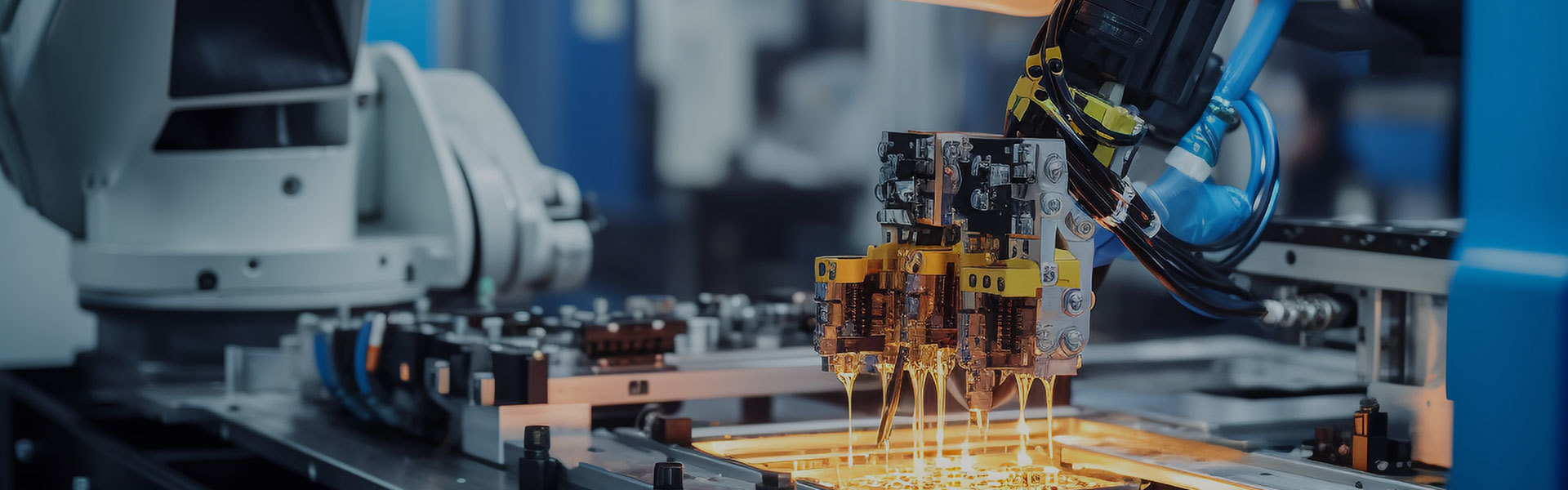
Enhancing Precision in Electronics with Pipeline Laser Welding Machines
Release time:
2026-06-23
Summary:
Pipeline laser welding machines are at the forefront of innovation in the electronics industry, especially for optoelectronic components and laser technology. These machines utilize high-energy laser beams to join materials with precision and minimal thermal distortion, making them ideal for applications where accuracy is paramount.
One of the primary advantages of pipeline laser welding machines
Pipeline laser welding machines are at the forefront of innovation in the electronics industry, especially for optoelectronic components and laser technology. These machines utilize high-energy laser beams to join materials with precision and minimal thermal distortion, making them ideal for applications where accuracy is paramount.
One of the primary advantages of pipeline laser welding machines is their ability to create strong, reliable welds in various materials, including metals and polymers. This capability is particularly beneficial when working with electronic components that require durability and high performance, such as circuit boards and optical devices. The precision offered by laser welding helps ensure that the integrity of these delicate parts is maintained, reducing the likelihood of defects and enhancing overall product quality.
Additionally, pipeline laser welding machines are known for their speed and efficiency. Traditional welding methods can be time-consuming and may require extensive post-weld processing. In contrast, laser welding minimizes the need for additional finishing steps, thereby accelerating production timelines. This efficiency is crucial in the fast-paced electronics industry, where time-to-market can significantly impact competitiveness.
Moreover, the adaptability of pipeline laser welding technology allows for customization to meet specific manufacturing needs. Whether it’s adjusting the power settings, beam focus, or welding speed, operators can fine-tune the process to achieve optimal results for different materials and components. This versatility is essential in a sector where product specifications can vary widely.
Another critical aspect to consider is the environmental impact of pipeline laser welding machines. These systems are designed to be more energy-efficient compared to traditional welding methods, contributing to reduced energy consumption and lower carbon footprints. As sustainability becomes increasingly important in manufacturing, adopting advanced technologies like laser welding can help companies align with eco-friendly practices.
In summary, pipeline laser welding machines provide significant advantages in precision, speed, and environmental sustainability for the electronics industry, particularly in the realm of optoelectronic components and lasers. By embracing this technology, manufacturers can enhance their production processes, improve product quality, and stay competitive in a rapidly evolving market. Utilizing these advanced systems not only optimizes current operations but also paves the way for future innovations in electronic manufacturing.
One of the primary advantages of pipeline laser welding machines is their ability to create strong, reliable welds in various materials, including metals and polymers. This capability is particularly beneficial when working with electronic components that require durability and high performance, such as circuit boards and optical devices. The precision offered by laser welding helps ensure that the integrity of these delicate parts is maintained, reducing the likelihood of defects and enhancing overall product quality.
Additionally, pipeline laser welding machines are known for their speed and efficiency. Traditional welding methods can be time-consuming and may require extensive post-weld processing. In contrast, laser welding minimizes the need for additional finishing steps, thereby accelerating production timelines. This efficiency is crucial in the fast-paced electronics industry, where time-to-market can significantly impact competitiveness.
Moreover, the adaptability of pipeline laser welding technology allows for customization to meet specific manufacturing needs. Whether it’s adjusting the power settings, beam focus, or welding speed, operators can fine-tune the process to achieve optimal results for different materials and components. This versatility is essential in a sector where product specifications can vary widely.
Another critical aspect to consider is the environmental impact of pipeline laser welding machines. These systems are designed to be more energy-efficient compared to traditional welding methods, contributing to reduced energy consumption and lower carbon footprints. As sustainability becomes increasingly important in manufacturing, adopting advanced technologies like laser welding can help companies align with eco-friendly practices.
In summary, pipeline laser welding machines provide significant advantages in precision, speed, and environmental sustainability for the electronics industry, particularly in the realm of optoelectronic components and lasers. By embracing this technology, manufacturers can enhance their production processes, improve product quality, and stay competitive in a rapidly evolving market. Utilizing these advanced systems not only optimizes current operations but also paves the way for future innovations in electronic manufacturing.
Previous Page
Previous Page
Real-time information




Copyright©2024 Shandong Haihai Laser Technology Co., Ltd.