

The Impact of Handheld Laser Welding on Steel Manufacturing Processes
Release time:
2026-06-25
Summary:
The Impact of Handheld Laser Welding on Steel Manufacturing Processes
Table of Contents
1. Introduction to Handheld Laser Welding
2. Advantages of Handheld Laser Welding in Steel Manufacturing
3. Applications of Handheld Laser Welding in Steel Production
4. Technology Behind Handheld Laser Welding
5. Efficiency Improvements in Steel Manufacturing Processes
6. Cost-Effectiv
The Impact of Handheld Laser Welding on Steel Manufacturing Processes
Table of Contents
- 1. Introduction to Handheld Laser Welding
- 2. Advantages of Handheld Laser Welding in Steel Manufacturing
- 3. Applications of Handheld Laser Welding in Steel Production
- 4. Technology Behind Handheld Laser Welding
- 5. Efficiency Improvements in Steel Manufacturing Processes
- 6. Cost-Effectiveness of Handheld Laser Welding
- 7. Challenges in Implementing Handheld Laser Welding
- 8. The Future of Handheld Laser Welding in Steel Manufacturing
- 9. Frequently Asked Questions
- 10. Conclusion
1. Introduction to Handheld Laser Welding
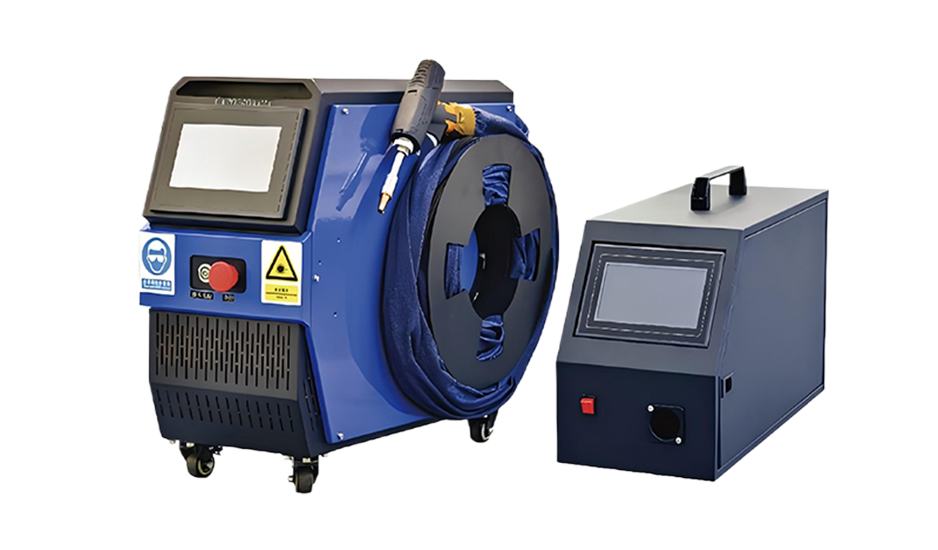
Handheld laser welding is revolutionizing the steel manufacturing sector, offering unprecedented benefits in terms of speed, precision, and flexibility. This advanced technique utilizes high-intensity laser beams to melt and fuse materials, providing a clean, strong weld that is less likely to distort the surrounding metal. As industries continue to seek innovative methods to enhance productivity, the adoption of handheld laser welding has gained significant traction.
2. Advantages of Handheld Laser Welding in Steel Manufacturing
The advantages of utilizing handheld laser welding in the steel manufacturing process are manifold:
2.1 Enhanced Precision and Control
Handheld laser welding allows operators to maintain a high level of precision and control over the welding process. The focused beam can be adjusted for various thicknesses and types of steel, ensuring high-quality welds that meet stringent industry standards.
2.2 Reduced Heat Affected Zone (HAZ)
One of the notable benefits of using laser welding technology is the minimal heat affected zone. Unlike traditional welding methods, which can cause distortion and weakening of the metal, handheld laser welding produces a smaller HAZ, preserving the integrity of the steel.
2.3 Increased Speed of Operations
The speed of handheld laser welding significantly reduces cycle times, which can lead to increased output in manufacturing processes. Faster welding times mean that production lines can operate more efficiently, ultimately boosting overall productivity.
2.4 Versatility in Applications
Handheld laser welders can be used on various steel types and thicknesses, making them a versatile choice for manufacturers. This adaptability allows businesses to use one tool for a range of tasks, reducing the need for multiple welding systems.
3. Applications of Handheld Laser Welding in Steel Production
Handheld laser welding finds applications across various segments of steel manufacturing. Here are some key areas where this technology is making a significant impact:
3.1 Automotive Industry
In the automotive sector, precision is paramount. Handheld laser welding is employed to join steel components with high accuracy, ensuring the durability and safety of vehicles.
3.2 Construction and Structural Steel
The construction industry benefits from handheld laser welding through the quick and reliable assembly of structural steel components. This technology allows for the efficient construction of buildings, bridges, and other infrastructures.
3.3 Aerospace Sector
The aerospace industry demands the highest quality standards. Handheld laser welding is utilized for fabricating lightweight and robust components, contributing to the overall performance and safety of aircraft.
3.4 General Manufacturing
In general manufacturing, handheld laser welding is used for various applications, including the production of furniture, appliances, and machinery. Its versatility and efficiency make it a preferred choice for manufacturers looking to enhance their operations.
4. Technology Behind Handheld Laser Welding
Understanding the technology behind handheld laser welding is crucial for grasping its advantages. The process involves several key components:
4.1 Laser Source
Handheld laser welders typically utilize solid-state lasers or fiber lasers, which are known for their high efficiency and excellent beam quality. These lasers can deliver powerful energy to the workpiece, ensuring effective welding.
4.2 Optical System
The optical system focuses the laser beam onto the material, creating a concentrated heat source that melts the steel. Advanced optics allow for precise control of the beam’s characteristics, enhancing the quality of the weld.
4.3 Control Systems
Modern handheld laser welders are equipped with sophisticated control systems that enable operators to adjust parameters such as power, speed, and focal length. These systems enhance the consistency and quality of the welds produced.
5. Efficiency Improvements in Steel Manufacturing Processes
The integration of handheld laser welding into steel manufacturing processes has led to notable efficiency improvements.
5.1 Streamlined Workflow
By incorporating laser welding into existing workflows, manufacturers can streamline processes, reducing the time and resources needed for traditional welding methods. This efficiency translates into faster project completion times.
5.2 Integration with Automation
Handheld laser welders can be integrated with automated systems, allowing for seamless operation in conjunction with robots and other machinery. This capability further enhances productivity and reduces human error.
6. Cost-Effectiveness of Handheld Laser Welding
Cost reduction is a primary concern for manufacturers. Handheld laser welding contributes to cost-effectiveness in several ways:
6.1 Lower Material Waste
With its precision capabilities, handheld laser welding minimizes material waste during the welding process. This reduction in waste not only conserves resources but also lowers material costs.
6.2 Decreased Labor Costs
The speed and efficiency of handheld laser welding reduce the amount of labor required for welding tasks. Fewer personnel are needed for operations, resulting in lower labor costs.
6.3 Long-Term Savings
The durability and quality of laser welds often lead to lower maintenance costs. Components that are welded using this technology tend to have a longer lifespan, providing long-term savings for manufacturers.
7. Challenges in Implementing Handheld Laser Welding
While handheld laser welding offers numerous advantages, there are challenges that manufacturers may face when implementing this technology:
7.1 Initial Investment Costs
The initial investment in handheld laser welding equipment can be significant, which may deter some manufacturers from making the transition. However, the long-term savings often outweigh these initial costs.
7.2 Skill Gap
Operating handheld laser welding systems requires specialized skills and training. Manufacturers must invest in workforce development to ensure personnel are equipped to handle this advanced technology.
7.3 Safety Considerations
Handheld laser welding poses safety risks, including exposure to harmful laser radiation. Manufacturers must implement strict safety protocols and ensure all operators are adequately trained to mitigate these risks.
8. The Future of Handheld Laser Welding in Steel Manufacturing
As technology continues to advance, the future of handheld laser welding in steel manufacturing looks promising.
8.1 Innovations in Laser Technology
Ongoing research and development are likely to yield even more efficient laser sources and improved optical systems, further enhancing the capabilities of handheld laser welding.
8.2 Expanding Applications
We can expect to see the expansion of handheld laser welding applications into new industries and sectors. As manufacturers recognize the benefits of this technology, its adoption will likely grow.
8.3 Sustainability Initiatives
With increasing emphasis on sustainability, the efficient use of materials and energy in manufacturing processes will drive the demand for technologies like handheld laser welding that align with green manufacturing practices.
9. Frequently Asked Questions
9.1 What is handheld laser welding?
Handheld laser welding is a process that uses a focused laser beam to melt and fuse materials, particularly metals, creating strong, high-quality welds with minimal distortion.
9.2 What are the advantages of using handheld laser welding?
Handheld laser welding offers enhanced precision, reduced heat affected zones, increased speed, and versatility in applications, making it highly advantageous for steel manufacturing.
9.3 How does handheld laser welding compare to traditional welding methods?
Compared to traditional methods, handheld laser welding provides cleaner, more precise welds with less heat distortion, resulting in stronger joints and improved material integrity.
9.4 Is handheld laser welding cost-effective?
Yes, although the initial investment may be higher, handheld laser welding can lead to long-term savings through reduced material waste, lower labor costs, and decreased maintenance expenses.
9.5 What are the safety considerations for handheld laser welding?
Safety considerations include protecting operators from laser radiation, ensuring proper training, and implementing safety protocols to prevent accidents and injuries.
10. Conclusion
The impact of handheld laser welding on steel manufacturing processes is profound, offering significant advantages in precision, efficiency, and versatility. As technology continues to evolve, we can expect even greater innovations that will further enhance its role in the industry. By addressing challenges and investing in training and safety, manufacturers can leverage the power of handheld laser welding to achieve unprecedented levels of productivity and quality. Embracing this technology not only positions companies at the forefront of manufacturing but also aligns them with the future of sustainable and efficient production practices.
Previous Page
Previous Page



Copyright©2024 Shandong Haihai Laser Technology Co., Ltd.