
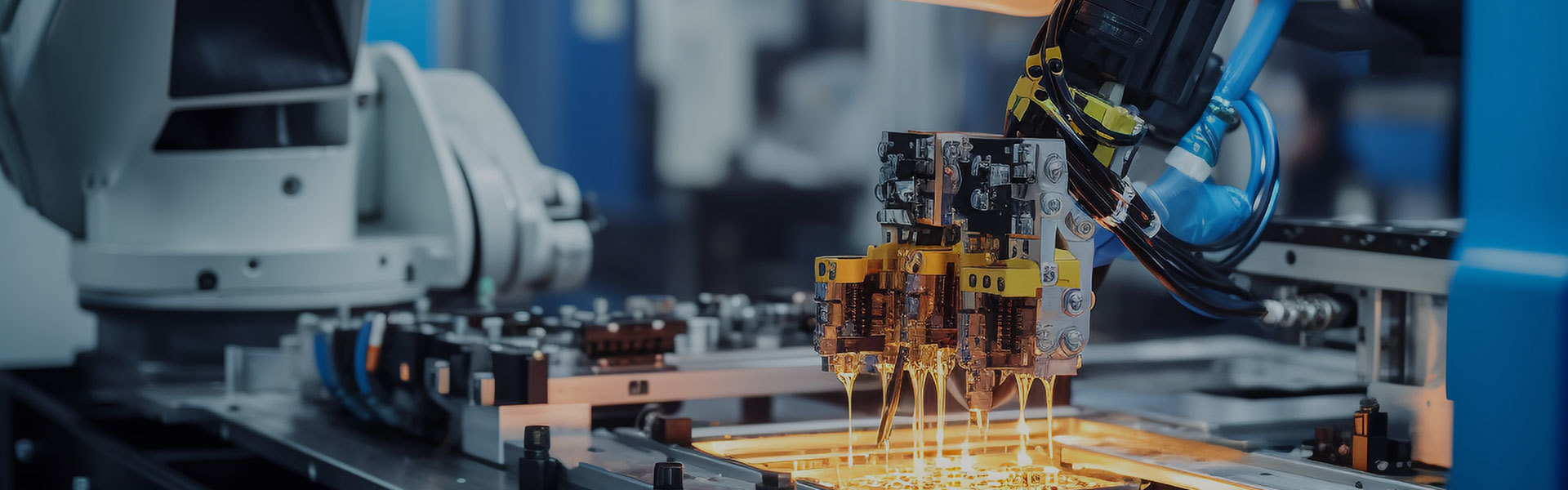
Why Aluminum Manufacturers Are Embracing Handheld Laser Welding Technology
Release time:
2026-07-11
Summary:
Why Aluminum Manufacturers Are Embracing Handheld Laser Welding Technology
In the ever-evolving landscape of manufacturing, **aluminum manufacturers** are continually seeking innovative solutions to improve efficiency, reduce costs, and enhance product quality. One of the most groundbreaking advancements in this realm is the adoption of **handheld laser welding technology**. This article delves in
Why Aluminum Manufacturers Are Embracing Handheld Laser Welding Technology
In the ever-evolving landscape of manufacturing, **aluminum manufacturers** are continually seeking innovative solutions to improve efficiency, reduce costs, and enhance product quality. One of the most groundbreaking advancements in this realm is the adoption of **handheld laser welding technology**. This article delves into the reasons behind this shift, the benefits of handheld laser welding, and its impact on the aluminum manufacturing industry.
Understanding Handheld Laser Welding Technology
Handheld laser welding is a cutting-edge process that employs laser beams to join materials, primarily metals like aluminum. Unlike traditional welding methods, which often involve extensive heat and filler materials, laser welding offers precision and control, making it an attractive option for manufacturers.
How Does Handheld Laser Welding Work?
The process begins with a **laser source** that generates a concentrated beam of light. This beam is directed onto the aluminum surface, where it creates a small, intense weld pool. As the laser moves along the material, it solidifies the molten aluminum, forming a strong bond without the need for additional fillers.
Key Features of Handheld Laser Welding
1. **Portability**: The handheld nature of this technology allows for flexibility and ease of use in various manufacturing environments.
2. **Speed**: Handheld laser welders can significantly reduce welding time, leading to increased productivity.
3. **Precision**: The focused laser beam ensures minimal heat-affected zones, preserving the integrity of the surrounding materials.
4. **Minimal Cleanup**: Unlike traditional welding, laser welding produces less spatter and waste, minimizing post-weld cleanup.
Why Aluminum Manufacturers Are Making the Switch
As industries evolve, so do their needs. Here are several reasons why aluminum manufacturers are pivoting to handheld laser welding technology.
Enhanced Efficiency and Productivity
With the rapid pace of modern manufacturing, efficiency is paramount. Handheld laser welding allows for quicker weld times compared to traditional methods. This increase in speed can lead to significant improvements in overall productivity, enabling manufacturers to meet tight deadlines and increasing throughput.
Cost-Effectiveness
Although the initial investment in handheld laser welding equipment may be higher than traditional welding tools, the long-term savings are substantial. Reduced material waste, lower energy consumption, and less need for extensive post-weld processing all contribute to a more cost-effective operation.
Higher Quality Welds
One of the standout advantages of handheld laser welding is the quality of the welds produced. The precision of the laser allows for strong, consistent joints that often exceed the quality of those made with traditional welding techniques. This is particularly critical in industries where safety and reliability are non-negotiable.
Applications of Handheld Laser Welding in Aluminum Manufacturing
The versatility of handheld laser welding makes it suitable for a wide range of applications in aluminum manufacturing.
Automotive Industry
In the automotive sector, lightweight aluminum components are increasingly popular due to their fuel efficiency. Handheld laser welding allows manufacturers to join aluminum parts quickly and effectively, contributing to lighter, stronger vehicles.
Aerospace Sector
The aerospace industry demands the highest standards of strength and safety. Handheld laser welding provides the precision required for critical applications, ensuring that aluminum components meet stringent regulatory requirements.
Electronics and Consumer Goods
In the electronics sector, handheld laser welding is used for assembling components where precision is crucial. This method ensures minimal heat damage to sensitive parts, preserving their functionality.
Benefits of Handheld Laser Welding for Manufacturers
The shift towards handheld laser welding technology brings numerous benefits to aluminum manufacturers.
Reduced Heat Affected Zones
Traditional welding methods often produce large heat-affected zones (HAZ), which can compromise the material properties of aluminum. Handheld laser welding minimizes HAZ, ensuring that the structural integrity of the aluminum is maintained.
Increased Flexibility in Design
The adaptability of handheld laser welding allows manufacturers to experiment with innovative designs. The precision of the laser enables the joining of intricate shapes and thin materials that would be challenging with traditional welding methods.
Improved Worker Safety
Handheld laser welding systems are often equipped with safety features that protect operators from hazardous conditions. Additionally, the reduction in fumes and spatter associated with laser welding creates a healthier work environment.
Future Trends in Handheld Laser Welding Technology
As technology continues to advance, the future of handheld laser welding looks promising.
Integration with Automation
The integration of handheld laser welding with robotic systems is on the rise. This combination allows for even greater efficiency and precision, enabling manufacturers to automate their welding processes while retaining the flexibility of handheld systems.
Advancements in Laser Technology
Ongoing research in laser technology is expected to yield even more powerful and efficient lasers. These advancements will further enhance the capabilities of handheld laser welding, making it an even more attractive option for aluminum manufacturers.
Challenges and Considerations
While handheld laser welding offers numerous advantages, there are challenges that manufacturers must consider.
Initial Investment Costs
The upfront costs of purchasing handheld laser welding equipment can be a hurdle for some manufacturers. However, the long-term savings often justify the initial expense.
Training and Skill Development
Transitioning to handheld laser welding requires skilled operators. Manufacturers must invest in training programs to ensure that their workforce is equipped with the necessary skills to operate this advanced technology efficiently.
Frequently Asked Questions (FAQs)
1. What materials can handheld laser welding be used on besides aluminum?
Handheld laser welding can also be used on various metals, including stainless steel, copper, and titanium, making it a versatile option for many industries.
2. How does handheld laser welding compare to traditional welding methods?
Handheld laser welding offers greater precision, reduces heat-affected zones, and typically results in faster weld times compared to traditional methods.
3. Is handheld laser welding suitable for complex geometries?
Yes, the precision of handheld laser welding allows for effective joining of complex shapes and geometries that may be difficult to achieve with traditional welding techniques.
4. What safety measures should be taken when using handheld laser welding equipment?
Operators should wear appropriate personal protective equipment (PPE), including laser safety goggles, and follow safety protocols to minimize risks.
5. Can handheld laser welding be automated?
Yes, there is a growing trend to integrate handheld laser welding with robotic systems for enhanced efficiency and consistency.
Conclusion
The transition to **handheld laser welding technology** marks a significant advancement for aluminum manufacturers, offering improved efficiency, cost-effectiveness, and weld quality. As industries continue to evolve, adopting such innovative solutions will be crucial for maintaining competitiveness. The future of handheld laser welding looks bright, with advancements in technology and applications poised to further transform the manufacturing landscape. Embracing this technology not only enhances operational capabilities but also leads to a safer, more productive work environment.
Real-time information




Copyright©2024 Shandong Haihai Laser Technology Co., Ltd.