
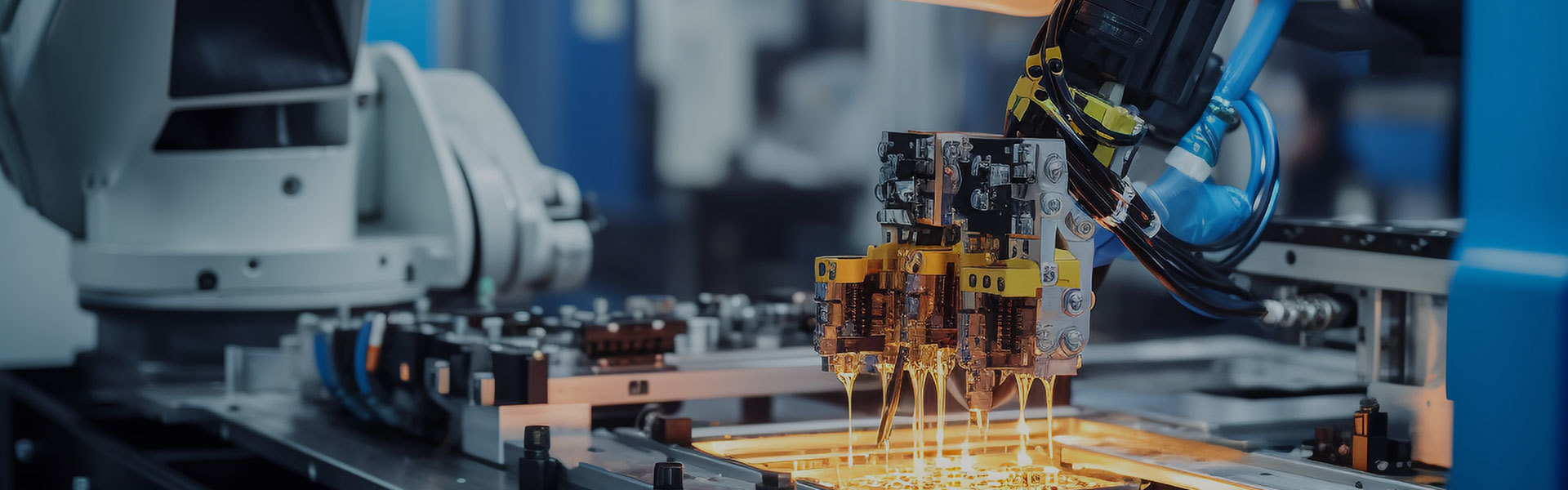
Unlocking the Power of Laser Engraving and Marking Machines for Electronic Components
Release time:
2026-07-16
Summary:
Laser engraving and marking machines have revolutionized the manufacturing processes in various industries, including the production of electronic components, specifically in the field of optoelectronics. These machines utilize focused laser beams to engrave or mark materials with precision, offering numerous advantages over traditional methods.
One of the primary benefits of laser engraving and m
Laser engraving and marking machines have revolutionized the manufacturing processes in various industries, including the production of electronic components, specifically in the field of optoelectronics. These machines utilize focused laser beams to engrave or mark materials with precision, offering numerous advantages over traditional methods.
One of the primary benefits of laser engraving and marking machines is their ability to produce high-quality, detailed markings on a wide range of materials, including metals, plastics, and ceramics. This precision is crucial in the electronics industry, where components often need to be marked with serial numbers, barcodes, or logos for identification and tracking purposes. The clarity and durability of laser markings ensure that they remain legible throughout the product's lifespan, even under challenging conditions.
Another significant advantage of these machines is their versatility. Laser engraving and marking machines can be adapted to various materials and surface types, making them suitable for different applications within the electronic component sector. Whether you need to engrave a delicate design on a small circuit board or mark a large enclosure, these machines can handle the job efficiently. Additionally, they can accommodate a variety of shapes and sizes, providing manufacturers with the flexibility needed to meet diverse production demands.
In terms of efficiency, laser engraving and marking machines are often faster than traditional engraving methods. They can operate continuously without the need for frequent tool changes or extensive setup times, which translates to shorter production cycles and increased output. This efficiency not only helps manufacturers meet tight deadlines but also reduces operational costs over time.
Moreover, laser engraving is a non-contact process, which minimizes wear and tear on both the machine and the materials being processed. This feature is particularly advantageous when working with fragile electronic components, as it reduces the risk of damage during production. Additionally, the absence of chemicals in the laser engraving process makes it a more environmentally friendly option compared to other engraving methods that may involve harmful substances.
In conclusion, laser engraving and marking machines are an invaluable asset in the electronic components industry, especially for manufacturers focused on optoelectronic devices and laser accessories. Their precision, versatility, speed, and eco-friendliness make them an ideal choice for producing high-quality markings and engravings. As technology continues to advance, the adoption of these machines is likely to grow, further enhancing the efficiency and quality of manufacturing processes across the electronic sector. Embracing this technology can provide a competitive edge in a rapidly evolving marketplace.
One of the primary benefits of laser engraving and marking machines is their ability to produce high-quality, detailed markings on a wide range of materials, including metals, plastics, and ceramics. This precision is crucial in the electronics industry, where components often need to be marked with serial numbers, barcodes, or logos for identification and tracking purposes. The clarity and durability of laser markings ensure that they remain legible throughout the product's lifespan, even under challenging conditions.
Another significant advantage of these machines is their versatility. Laser engraving and marking machines can be adapted to various materials and surface types, making them suitable for different applications within the electronic component sector. Whether you need to engrave a delicate design on a small circuit board or mark a large enclosure, these machines can handle the job efficiently. Additionally, they can accommodate a variety of shapes and sizes, providing manufacturers with the flexibility needed to meet diverse production demands.
In terms of efficiency, laser engraving and marking machines are often faster than traditional engraving methods. They can operate continuously without the need for frequent tool changes or extensive setup times, which translates to shorter production cycles and increased output. This efficiency not only helps manufacturers meet tight deadlines but also reduces operational costs over time.
Moreover, laser engraving is a non-contact process, which minimizes wear and tear on both the machine and the materials being processed. This feature is particularly advantageous when working with fragile electronic components, as it reduces the risk of damage during production. Additionally, the absence of chemicals in the laser engraving process makes it a more environmentally friendly option compared to other engraving methods that may involve harmful substances.
In conclusion, laser engraving and marking machines are an invaluable asset in the electronic components industry, especially for manufacturers focused on optoelectronic devices and laser accessories. Their precision, versatility, speed, and eco-friendliness make them an ideal choice for producing high-quality markings and engravings. As technology continues to advance, the adoption of these machines is likely to grow, further enhancing the efficiency and quality of manufacturing processes across the electronic sector. Embracing this technology can provide a competitive edge in a rapidly evolving marketplace.
Previous Page
Previous Page
Real-time information


Copyright©2024 Shandong Haihai Laser Technology Co., Ltd.