
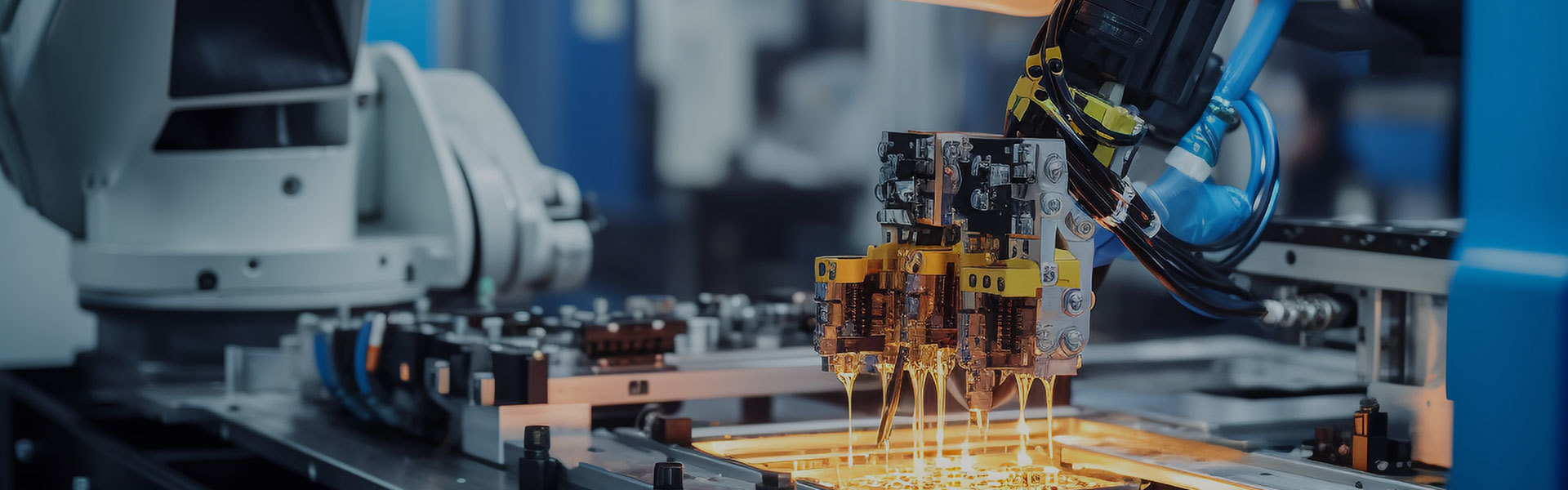
Maximizing Efficiency in Electronic Parts Manufacturing with Pipeline Laser Welding Machines
Release time:
2026-07-23
Summary:
Maximizing Efficiency in Electronic Parts Manufacturing with Pipeline Laser Welding Machines
Table of Contents
1. Introduction to Pipeline Laser Welding Machines
2. Understanding the Basics of Laser Welding Technology
3. Key Advantages of Pipeline Laser Welding in Electronics
3.1 Enhanced Precision and Quality Control
3.2 Increased Production Speed and Efficiency
3.3 Cost-Effectiveness and Waste R
Maximizing Efficiency in Electronic Parts Manufacturing with Pipeline Laser Welding Machines
Table of Contents
1. Introduction to Pipeline Laser Welding Machines
2. Understanding the Basics of Laser Welding Technology
3. Key Advantages of Pipeline Laser Welding in Electronics
3.1 Enhanced Precision and Quality Control
3.2 Increased Production Speed and Efficiency
3.3 Cost-Effectiveness and Waste Reduction
4. Applications of Pipeline Laser Welding in Electronic Parts
4.1 Laser Welding for Circuit Boards
4.2 Integrating Laser Technology in Semiconductor Manufacturing
4.3 The Role of Laser Welding in LED Production
5. Choosing the Right Pipeline Laser Welding Machine
5.1 Key Features to Look For
5.2 Evaluating Machine Performance
6. Best Practices for Implementing Pipeline Laser Welding Machines
6.1 Training and Skill Development
6.2 Regular Maintenance and Upkeep
7. Future Trends in Laser Welding Technology
8. Frequently Asked Questions (FAQs)
9. Conclusion
1. Introduction to Pipeline Laser Welding Machines
In the fast-evolving landscape of electronic parts manufacturing, optimizing efficiency is paramount. Pipeline laser welding machines have emerged as a groundbreaking solution, streamlining production processes while delivering superior results. These machines utilize advanced laser technology to fuse materials with unparalleled precision, making them ideal for various applications in the electronics sector.
2. Understanding the Basics of Laser Welding Technology
Laser welding is a process that employs focused laser beams to melt and join materials together. This technique offers several advantages over traditional welding methods, such as reduced heat input, minimal distortion, and the ability to weld intricate designs. By harnessing the power of concentrated light, manufacturers can achieve strong, reliable bonds in electronic components, ensuring durability and performance.
3. Key Advantages of Pipeline Laser Welding in Electronics
As the demand for high-quality electronic components continues to grow, pipeline laser welding machines offer numerous benefits that can significantly enhance manufacturing efficiency.
3.1 Enhanced Precision and Quality Control
One of the primary advantages of pipeline laser welding is its ability to provide exceptional precision. The focused nature of the laser beam allows for accurate control over the weld area, minimizing the risk of defects. This precision is crucial in the electronics industry, where even minor imperfections can lead to product failure.
3.2 Increased Production Speed and Efficiency
Pipeline laser welding machines are designed for rapid operation. They can perform continuous welding processes, significantly reducing cycle times compared to traditional methods. As a result, manufacturers can produce more components in less time, effectively increasing output and meeting market demand.
3.3 Cost-Effectiveness and Waste Reduction
The efficiency of pipeline laser welding translates into cost savings. With reduced material waste and lower energy consumption, manufacturers can optimize their production costs. Additionally, the longevity of laser-welded joints minimizes the need for rework or repairs, further improving the bottom line.
4. Applications of Pipeline Laser Welding in Electronic Parts
Pipeline laser welding technology is versatile, with applications spanning various aspects of electronic manufacturing. Here are some key areas where this technology excels.
4.1 Laser Welding for Circuit Boards
Circuit boards are the backbone of most electronic devices. Laser welding allows for precise connections between components, ensuring reliable performance. The ability to create intricate designs without damaging sensitive parts makes laser welding an ideal choice for circuit board assembly.
4.2 Integrating Laser Technology in Semiconductor Manufacturing
In the semiconductor industry, precision is essential. Pipeline laser welding machines enable manufacturers to create strong bonds in semiconductor packages without compromising integrity. This technology is pivotal for enhancing performance and reliability in high-demand applications.
4.3 The Role of Laser Welding in LED Production
LED technology relies on accurate assembly for optimal functionality. Laser welding provides the necessary precision for connecting LED chips to substrates, ensuring effective heat dissipation and long-lasting performance. This method not only speeds up production but also enhances product quality.
5. Choosing the Right Pipeline Laser Welding Machine
Selecting the appropriate pipeline laser welding machine is critical for maximizing efficiency in production. Several factors should be considered during this process.
5.1 Key Features to Look For
When evaluating laser welding machines, prioritize features such as adjustable power settings, beam quality, and cooling systems. Advanced machines offer automation capabilities that can further enhance efficiency.
5.2 Evaluating Machine Performance
Before making a purchase, it's essential to assess the machine's performance through demonstrations or trials. Seek feedback from existing users to understand the machine's reliability and effectiveness in real-world applications.
6. Best Practices for Implementing Pipeline Laser Welding Machines
To fully leverage the advantages of pipeline laser welding, manufacturers must adhere to best practices during implementation.
6.1 Training and Skill Development
Investing in training programs for operators is vital. A well-trained workforce can optimize the use of laser welding machines, enhancing both productivity and safety.
6.2 Regular Maintenance and Upkeep
Routine maintenance is crucial for sustaining the performance of pipeline laser welding machines. Establish a maintenance schedule to ensure that all components are functioning optimally, preventing downtime and costly repairs.
7. Future Trends in Laser Welding Technology
As technology continues to advance, the landscape of laser welding is evolving. Emerging trends include the integration of artificial intelligence for process optimization and the development of more compact, efficient machines. Staying informed about these trends will enable manufacturers to remain competitive in the market.
8. Frequently Asked Questions (FAQs)
What are the benefits of using pipeline laser welding machines in electronic parts manufacturing?
Pipeline laser welding machines offer enhanced precision, increased production speed, and cost-effectiveness, making them ideal for electronic parts manufacturing.
How does laser welding improve the quality of electronic components?
Laser welding provides precise control over the weld area, minimizing defects and ensuring strong, reliable bonds in electronic components.
What types of electronic components can be manufactured using pipeline laser welding?
Pipeline laser welding is suitable for various applications, including circuit boards, semiconductors, and LED production.
How can manufacturers ensure optimal performance from their laser welding machines?
Regular maintenance, operator training, and machine evaluation are essential for maximizing the performance of laser welding machines.
What future developments can we expect in laser welding technology?
Future trends may include AI integration, more efficient machines, and advancements in welding techniques to further enhance productivity and quality.
9. Conclusion
In conclusion, pipeline laser welding machines have revolutionized the electronic parts manufacturing industry, offering enhanced precision, increased efficiency, and substantial cost savings. By understanding the advantages of this technology and implementing best practices, manufacturers can optimize their processes and remain competitive. As we look to the future, staying abreast of technological advancements will be crucial for continued success in this dynamic field. Investing in pipeline laser welding is not just an operational decision; it is a strategic move toward maximizing efficiency and elevating product quality in electronics manufacturing.
Previous Page
Previous Page
Real-time information




Copyright©2024 Shandong Haihai Laser Technology Co., Ltd.