
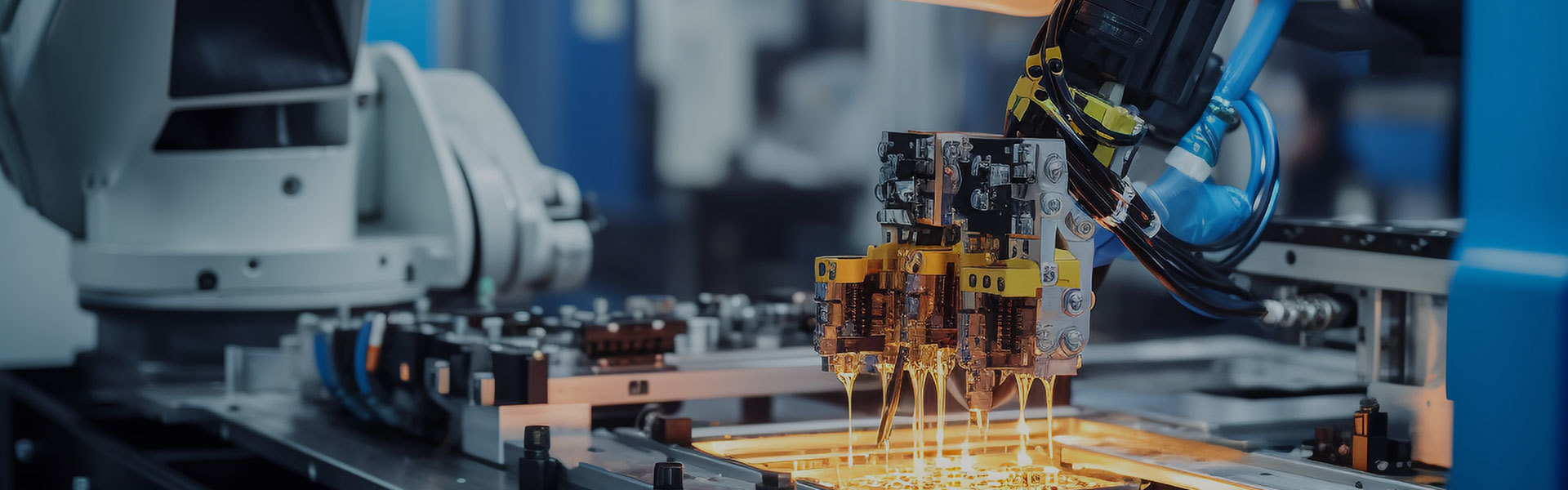
The Power of Laser Engraving and Marking Machines in Electronics
Release time:
2026-06-26
Summary:
Laser engraving and marking machines play a crucial role in various industries, including electronics, particularly in the realm of optoelectronic components and laser products. These machines utilize focused laser beams to engrave, mark, or etch designs and information onto a variety of materials with exceptional accuracy and speed.
One of the primary advantages of laser engraving is its precisio
Laser engraving and marking machines play a crucial role in various industries, including electronics, particularly in the realm of optoelectronic components and laser products. These machines utilize focused laser beams to engrave, mark, or etch designs and information onto a variety of materials with exceptional accuracy and speed.
One of the primary advantages of laser engraving is its precision. Unlike traditional methods, which may involve physical contact with the material, laser engraving is a non-contact process. This means that the risk of damaging delicate components is significantly reduced. It allows for intricate designs, serial numbers, barcodes, and logos to be applied to surfaces that are often too small or intricate for other marking techniques.
In the electronics industry, where components are frequently miniaturized, the ability to mark small parts without compromising their integrity is invaluable. Laser marking can be used on different materials, including metals, plastics, and ceramics, making it suitable for a wide range of electronic devices, from circuit boards to consumer electronics.
Furthermore, laser engraving and marking machines offer a level of versatility that is unmatched. They can be easily programmed to produce various designs, making it simple to switch between different tasks without the need for extensive setup changes. This adaptability is particularly important in fast-paced environments where production runs may vary in size and complexity.
Another significant benefit of laser technology is its permanence. The markings created by laser engraving are highly durable, resistant to wear, fading, and corrosion. This is particularly important for electronic components that are expected to endure harsh conditions, ensuring that important information remains legible throughout the product's life cycle.
Moreover, laser engraving is an eco-friendly process. Unlike some traditional marking methods that may use inks or chemicals, laser technology relies solely on light. This reduces the environmental impact associated with material waste and harmful substances, aligning with the growing demand for sustainable manufacturing practices in the electronics sector.
In conclusion, laser engraving and marking machines represent a critical technological advancement in the electronics industry. Their precision, versatility, and durability make them indispensable tools for manufacturers of optoelectronic components and laser-related products. As the industry continues to evolve, the integration of laser technology will likely play a pivotal role in enhancing production efficiency and product quality, ultimately benefiting both manufacturers and consumers alike.
One of the primary advantages of laser engraving is its precision. Unlike traditional methods, which may involve physical contact with the material, laser engraving is a non-contact process. This means that the risk of damaging delicate components is significantly reduced. It allows for intricate designs, serial numbers, barcodes, and logos to be applied to surfaces that are often too small or intricate for other marking techniques.
In the electronics industry, where components are frequently miniaturized, the ability to mark small parts without compromising their integrity is invaluable. Laser marking can be used on different materials, including metals, plastics, and ceramics, making it suitable for a wide range of electronic devices, from circuit boards to consumer electronics.
Furthermore, laser engraving and marking machines offer a level of versatility that is unmatched. They can be easily programmed to produce various designs, making it simple to switch between different tasks without the need for extensive setup changes. This adaptability is particularly important in fast-paced environments where production runs may vary in size and complexity.
Another significant benefit of laser technology is its permanence. The markings created by laser engraving are highly durable, resistant to wear, fading, and corrosion. This is particularly important for electronic components that are expected to endure harsh conditions, ensuring that important information remains legible throughout the product's life cycle.
Moreover, laser engraving is an eco-friendly process. Unlike some traditional marking methods that may use inks or chemicals, laser technology relies solely on light. This reduces the environmental impact associated with material waste and harmful substances, aligning with the growing demand for sustainable manufacturing practices in the electronics sector.
In conclusion, laser engraving and marking machines represent a critical technological advancement in the electronics industry. Their precision, versatility, and durability make them indispensable tools for manufacturers of optoelectronic components and laser-related products. As the industry continues to evolve, the integration of laser technology will likely play a pivotal role in enhancing production efficiency and product quality, ultimately benefiting both manufacturers and consumers alike.
Previous Page
Previous Page




Copyright©2024 Shandong Haihai Laser Technology Co., Ltd.