
Laser Cutting and Shipbuilding: A Strategic Alliance for Enhanced Efficiency and Innovation
Release time:
2026-07-19
Summary:
Introduction: The Transformative Role of Laser Cutting in Shipbuilding
In the ever-evolving world of shipbuilding, the demand for precision, efficiency, and innovation is paramount. **Laser cutting technology** has emerged as a game-changer, providing shipbuilders with the tools necessary to meet these requirements head-on. This article delves into the synergy between **laser cutting** and shipbui
Introduction: The Transformative Role of Laser Cutting in Shipbuilding
In the ever-evolving world of shipbuilding, the demand for precision, efficiency, and innovation is paramount. **Laser cutting technology** has emerged as a game-changer, providing shipbuilders with the tools necessary to meet these requirements head-on. This article delves into the synergy between **laser cutting** and shipbuilding, examining how this partnership fosters success, enhances productivity, and drives advancements in maritime engineering.
Understanding Laser Cutting Technology
Laser cutting is a **highly precise method** of material fabrication that utilizes focused laser beams to cut or engrave materials with exceptional accuracy. It is widely used across various industries, including automotive, aerospace, and, significantly, shipbuilding.
The Mechanics of Laser Cutting
Laser cutting works by directing a high-powered laser beam onto the surface of a material, typically metals, plastics, or composites. The intense heat generated by the laser melts or vaporizes the material, resulting in clean, precise cuts. Key components of laser cutting systems include:
- **Laser Source**: The origin of the laser beam, available in various types such as CO2, fiber, and solid-state lasers.
- **Optics**: Lenses and mirrors that focus the laser beam onto the workpiece.
- **Motion Control Systems**: Equipment that moves the laser beam across the material, ensuring accuracy and speed.
Advantages of Laser Cutting Technology
Laser cutting offers several advantages that make it an ideal choice for shipbuilding:
1. **Precision**: Laser cutting provides unparalleled accuracy, allowing for intricate designs that traditional methods cannot achieve.
2. **Speed**: The rapid cutting speeds enable faster production times, reducing overall project timelines.
3. **Reduced Waste**: The precision of laser cutting minimizes material waste, contributing to cost savings and environmental sustainability.
4. **Versatility**: Laser cutting can be applied to various materials, making it suitable for diverse ship components.
The Role of Laser Cutting in Shipbuilding
As the shipbuilding industry faces increasing pressure to innovate and improve efficiencies, laser cutting technology plays a vital role in overcoming these challenges.
Enhancing Design Flexibility and Innovation
The application of laser cutting in shipbuilding allows designers to explore complex geometries that were once deemed impractical. This flexibility leads to innovative ship designs that improve aerodynamics and hydrodynamics, ultimately enhancing performance and fuel efficiency.
Streamlining Production Processes
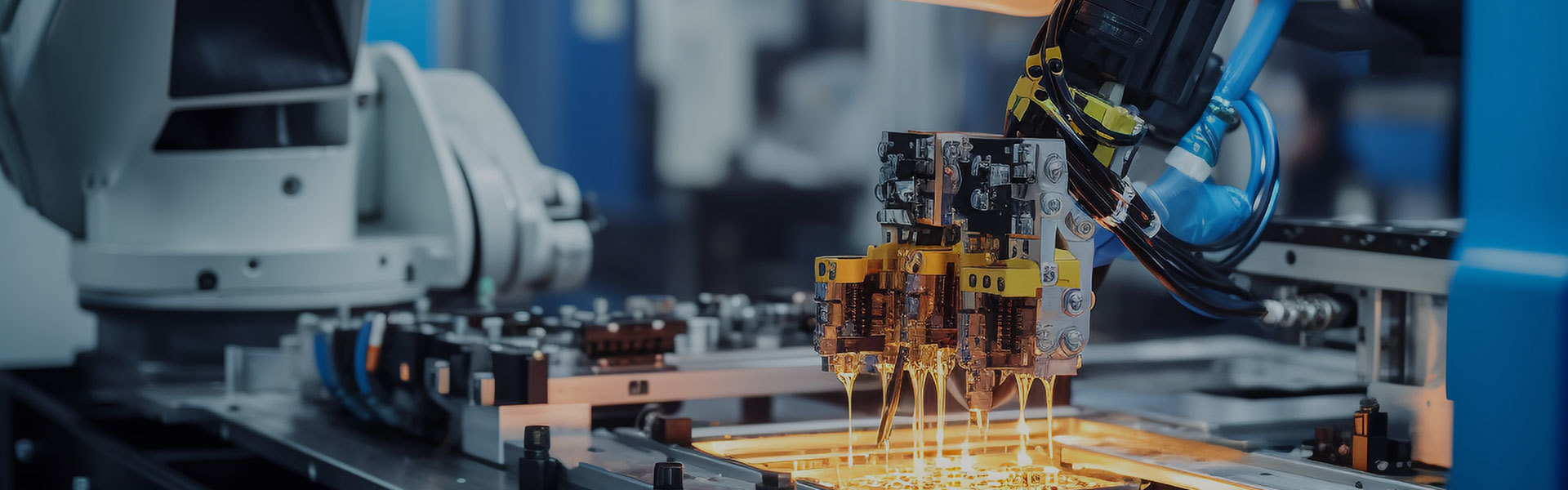
Integrating laser cutting with other manufacturing processes streamlines production workflows. For instance, combining laser cutting with robotic automation allows for continuous operation, reducing downtime and increasing output. This synergy not only speeds up production but also ensures high-quality standards are maintained throughout the construction phase.
Case Studies: Successful Applications of Laser Cutting in Shipbuilding
Real-world examples showcase the successful integration of laser cutting technology in shipbuilding projects, highlighting its impact on productivity and innovation.
Case Study 1: XYZ Shipyards
XYZ Shipyards implemented laser cutting systems in their production line, resulting in a 30% reduction in material waste and a 25% increase in production speed. By adopting laser technology, they were able to create more intricate designs, enhancing the overall quality of their vessels.
Case Study 2: ABC Marine Corporation
ABC Marine Corporation utilized laser cutting for the fabrication of hull components. This transition not only reduced the time taken to manufacture each part by 40% but also improved the structural integrity of the vessels, leading to better performance on the water.
The Future of Laser Cutting in Shipbuilding
As technology continues to advance, the future of laser cutting in shipbuilding looks promising. The ongoing development of higher-powered lasers and improved control systems will further enhance cutting capabilities, paving the way for even more innovative ship designs.
Integrating Artificial Intelligence and Machine Learning
The incorporation of AI and machine learning into laser cutting processes will enable shipbuilders to optimize operations continually. Predictive analytics could forecast maintenance needs, ensuring that equipment runs smoothly while minimizing unexpected downtime.
Sustainability and Eco-Friendly Practices
With an increasing focus on environmental preservation, the shipbuilding industry must embrace sustainable practices. Laser cutting's ability to reduce material waste and energy consumption aligns perfectly with these goals, making it an essential technology for the future.
Challenges and Considerations
While laser cutting technology offers numerous advantages, it is essential to address the challenges associated with its implementation.
Initial Investment and Costs
The upfront costs of laser cutting systems can be significant, requiring careful consideration and planning. However, the long-term benefits of increased productivity and reduced waste often outweigh these initial investments.
Skill Requirements and Training
Successful implementation of laser cutting technology requires skilled personnel who are proficient in operating and maintaining the equipment. Investing in training programs is crucial to ensure that staff can maximize the potential of laser cutting systems.
Best Practices for Implementing Laser Cutting in Shipbuilding
To ensure successful integration of laser cutting technology, shipbuilders should follow these best practices:
1. **Conduct Thorough Research**: Understand the specific needs of your shipbuilding projects and evaluate different laser cutting systems to find the best fit.
2. **Invest in Training**: Prioritize training for operators and maintenance personnel to maximize the effectiveness of the technology.
3. **Collaborate with Experts**: Partnering with laser cutting technology providers can offer valuable insights and support during implementation.
4. **Monitor and Optimize Processes**: Continuously analyze production workflows to identify areas where laser cutting can further improve efficiency.
FAQs about Laser Cutting and Shipbuilding
1. What types of materials can be cut using laser cutting technology in shipbuilding?
Laser cutting can effectively cut various materials commonly used in shipbuilding, including steel, aluminum, and composites.
2. How does laser cutting improve efficiency in shipbuilding?
Laser cutting enhances efficiency by providing rapid cutting speeds, reducing material waste, and enabling complex designs that streamline assembly processes.
3. Is laser cutting environmentally friendly?
Yes, laser cutting is environmentally friendly as it minimizes material waste and energy consumption, aligning with sustainable practices within the shipbuilding industry.
4. What are the initial costs associated with adopting laser cutting technology?
The initial costs for laser cutting systems can vary significantly based on the technology and capabilities required. However, many shipbuilders find that the long-term savings and efficiency gains justify the investment.
5. Can laser cutting be integrated with other manufacturing technologies?
Absolutely! Laser cutting can be effectively integrated with other technologies, such as robotic automation, to streamline production processes and enhance overall efficiency.
Conclusion: Embracing Innovation for Future Success in Shipbuilding
The partnership between **laser cutting technology** and shipbuilding is reshaping the industry landscape, driving innovation, and improving operational efficiencies. As shipbuilders continue to embrace these advancements, they not only enhance their production capabilities but also position themselves for success in an increasingly competitive market. The future of shipbuilding is undeniably bright, fueled by the precision and innovation that laser cutting technology brings to the forefront.
Real-time information



Copyright©2024 Shandong Haihai Laser Technology Co., Ltd.