
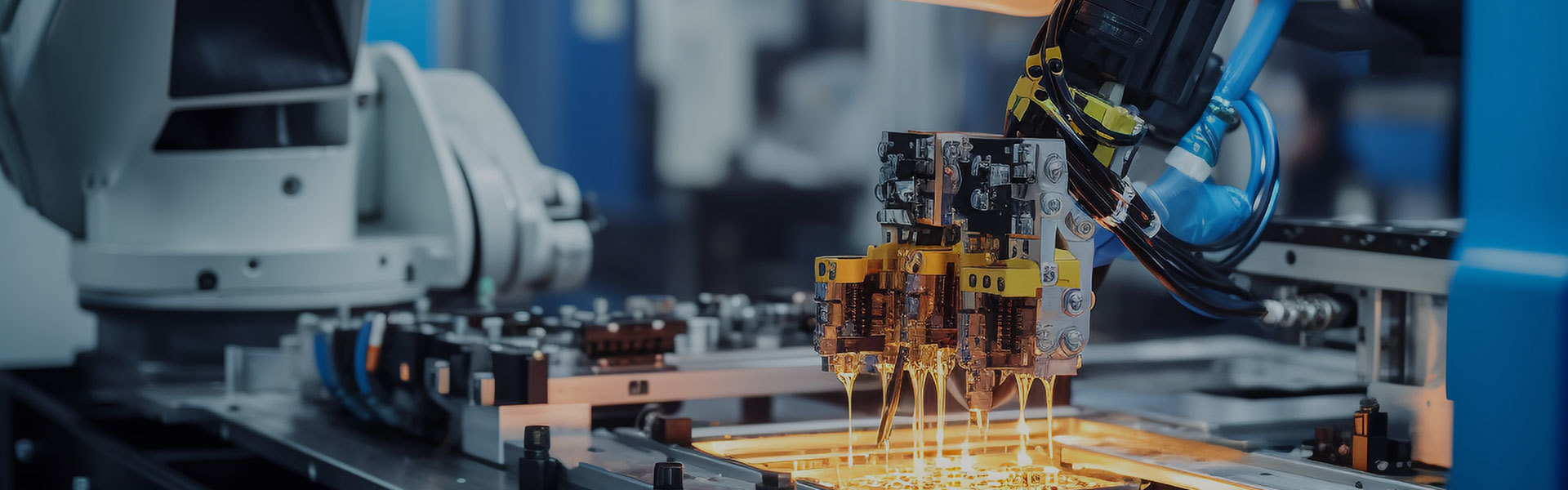
Understanding Welding Fume Extraction Systems: Essential Insights for Electronics Manufacturing
Release time:
2026-07-24
Summary:
Welding processes are integral in the manufacturing of various electronic components, including lasers and their associated accessories. However, one of the significant challenges that arise from welding is the generation of harmful fumes and particles. Welding fume extraction systems play a pivotal role in mitigating these hazards, ensuring that the air quality in the workspace remains safe for e
Welding processes are integral in the manufacturing of various electronic components, including lasers and their associated accessories. However, one of the significant challenges that arise from welding is the generation of harmful fumes and particles. Welding fume extraction systems play a pivotal role in mitigating these hazards, ensuring that the air quality in the workspace remains safe for employees.
A welding fume extraction system is designed to capture and filter harmful fumes generated during the welding process. These systems work by employing various technologies, such as extraction arms or downdraft tables, to pull fumes away from the welder's breathing zone. This not only improves air quality but also enhances the overall working conditions, promoting better productivity and health outcomes for employees.
Implementing a welding fume extraction system provides several benefits. Firstly, it significantly reduces the concentration of hazardous pollutants in the air, which can lead to respiratory issues and other health-related problems for workers over time. Ensuring a safer environment is not just a regulatory requirement; it also fosters a culture of safety within the organization, which can lead to higher employee morale and retention.
Moreover, welding fume extraction systems can contribute to improved product quality. Contaminants from welding fumes can settle on electronic components, potentially leading to defects or reduced performance. By maintaining a cleaner workspace, manufacturers can minimize the risk of contamination, ensuring that their products meet the highest quality standards.
When selecting a welding fume extraction system, businesses should consider several factors. It's essential to assess the specific welding processes being used, the volume of fumes generated, and the layout of the workspace. A well-designed system should efficiently capture fumes at their source, ensuring maximum effectiveness while minimizing noise and energy consumption.
Regular maintenance of the extraction system is also vital to ensure its long-term functionality. Scheduled inspections and filter replacements will keep the system running efficiently, reducing the likelihood of downtime and maintaining optimal air quality.
In conclusion, for companies involved in the manufacturing of electronic components, investing in a welding fume extraction system is not just a matter of compliance; it is a proactive step towards ensuring a healthier work environment. By prioritizing air quality and worker safety, businesses can enhance productivity, improve product quality, and ultimately, contribute to a more sustainable manufacturing process. The implementation of these systems not only protects employees but also supports the overall success and reputation of the business in a competitive market.
A welding fume extraction system is designed to capture and filter harmful fumes generated during the welding process. These systems work by employing various technologies, such as extraction arms or downdraft tables, to pull fumes away from the welder's breathing zone. This not only improves air quality but also enhances the overall working conditions, promoting better productivity and health outcomes for employees.
Implementing a welding fume extraction system provides several benefits. Firstly, it significantly reduces the concentration of hazardous pollutants in the air, which can lead to respiratory issues and other health-related problems for workers over time. Ensuring a safer environment is not just a regulatory requirement; it also fosters a culture of safety within the organization, which can lead to higher employee morale and retention.
Moreover, welding fume extraction systems can contribute to improved product quality. Contaminants from welding fumes can settle on electronic components, potentially leading to defects or reduced performance. By maintaining a cleaner workspace, manufacturers can minimize the risk of contamination, ensuring that their products meet the highest quality standards.
When selecting a welding fume extraction system, businesses should consider several factors. It's essential to assess the specific welding processes being used, the volume of fumes generated, and the layout of the workspace. A well-designed system should efficiently capture fumes at their source, ensuring maximum effectiveness while minimizing noise and energy consumption.
Regular maintenance of the extraction system is also vital to ensure its long-term functionality. Scheduled inspections and filter replacements will keep the system running efficiently, reducing the likelihood of downtime and maintaining optimal air quality.
In conclusion, for companies involved in the manufacturing of electronic components, investing in a welding fume extraction system is not just a matter of compliance; it is a proactive step towards ensuring a healthier work environment. By prioritizing air quality and worker safety, businesses can enhance productivity, improve product quality, and ultimately, contribute to a more sustainable manufacturing process. The implementation of these systems not only protects employees but also supports the overall success and reputation of the business in a competitive market.
Previous Page
Previous Page
Real-time information




Copyright©2024 Shandong Haihai Laser Technology Co., Ltd.